Quick Answer: Home Depot Does Not Offer Free Pallets to Customers
Home Depot does not give away free wooden pallets to customers. Unlike some smaller retailers who may allow customers to take used pallets, Home Depot has strict policies preventing the distribution of free pallets due to contractual obligations, safety concerns, and established recycling partnerships. All pallets at Home Depot locations are either rental property that must be returned to leasing companies or are processed through official recycling programs.
Why Home Depot Doesn't Give Away Free Pallets
Several business and legal factors prevent Home Depot from offering free pallets to customers, making this practice both impractical and potentially costly for the retailer.
CHEP Pallet Pooling System: Blue Pallets Are Rental Property
The majority of pallets you see at Home Depot are blue CHEP pallets, which are rental property owned by CHEP (Commonwealth Handling Equipment Pool). These pallets are part of a pooling system where manufacturers and retailers pay rental fees for their use. Home Depot is legally obligated to return these pallets to CHEP distribution centers, and giving them away would result in significant financial penalties—typically $25-50 per unreturned pallet. CHEP tracks their pallets through a sophisticated logistics network, and unauthorized retention constitutes theft of rental property.
Contractual Obligations with Suppliers
Home Depot maintains contracts with thousands of suppliers who deliver products on various types of pallets. These agreements often specify that pallets must be returned to the supplier or processed through approved recycling channels. Violating these contractual terms could jeopardize important business relationships and result in legal complications. Additionally, many suppliers use their own branded pallets (such as PECO or IFCO) that must be returned according to industry pooling agreements.
Environmental Recycling Programs and Partnerships
Home Depot partners with companies like Waste Management and Republic Services to process approximately 230,000 tons of wood waste annually, including damaged pallets. Their Zero Waste program diverts 100% of wood waste from landfills through partnerships with biomass energy facilities, mulch manufacturers, and engineered wood producers. Damaged pallets generate $15-25 per ton in recycling revenue, while whole pallets in poor condition are processed into landscape mulch sold in Home Depot stores. The company also participates in the Sustainable Forestry Initiative, requiring recycling partners to maintain SFI certification for responsible wood processing.
Home Depot's Pallet Return Policy for Customers
While Home Depot doesn’t give away free pallets, they do have established procedures for customers who purchase products delivered on pallets.
Customer Pallet Deposits ($15-20 per pallet)
When customers purchase large items like flooring, roofing materials, or bulk construction supplies delivered on pallets, Home Depot typically charges a refundable deposit of $15-20 per pallet. This deposit appears as a separate line item on receipts and covers the cost of the pallet itself. The deposit system ensures customers have an incentive to return pallets rather than keeping them, which helps Home Depot maintain their inventory and meet supplier return requirements.
How to Return Pallets and Get Your Deposit Back
To receive your pallet deposit refund, return clean, undamaged pallets to any Home Depot location within 30 days of purchase. Bring your original receipt showing the deposit charge, and customer service will process a refund to your original payment method. Pallets must be free of nails, screws, or other modifications, and should not show signs of significant wear or damage. Some locations may accept returns beyond 30 days but refund policies vary by store management.
What Happens to Returned Customer Pallets
Returned customer pallets undergo inspection and are either resold to other customers, returned to suppliers, or sent to recycling facilities depending on their condition. Pallets in good condition may be cleaned and reused for future deliveries, while damaged pallets are processed through Home Depot’s wood recycling programs. This system helps maintain inventory while supporting environmental sustainability goals.
Buying Pallets at Home Depot: Options and Pricing
Home Depot sells various types of new pallets for customers who need them for shipping, storage, or DIY projects.
New Pallet Types Available for Purchase
Home Depot stocks several categories of new wooden pallets designed for different applications and weight requirements.
Standard 48″ x 40″ Wood Pallets ($42-85)
The most common pallet size, measuring 48″ x 40″, is suitable for most general-purpose applications including storage, shipping, and light DIY projects. Prices range from $42-85 depending on wood grade, construction quality, and regional availability. These pallets typically support 2,500-4,600 pounds when properly distributed and are constructed from heat-treated lumber meeting international shipping standards (ISPM 15 compliance).
Heavy-Duty Industrial Pallets ($150-300)
Industrial-grade pallets designed for heavy equipment, machinery, and high-capacity storage applications cost $150-300 each. These pallets feature reinforced construction with thicker deck boards, additional support blocks, and premium lumber grades. Weight capacities range from 5,000-10,000 pounds, making them suitable for warehouse operations, manufacturing facilities, and heavy construction projects.
Reclaimed Pallet Boards and DIY Kits
Home Depot occasionally stocks reclaimed pallet wood boards and DIY pallet kits priced at $25-60. These products cater to customers interested in rustic furniture projects, wall decorations, and craft applications. Kits typically include pre-cut boards, assembly instructions, and basic hardware for specific projects like coffee tables or garden planters.
Comparing Home Depot Pallet Prices with Competitors
Home Depot’s pallet pricing is generally competitive with other major retailers, though specialty pallet suppliers may offer better rates for bulk purchases. Lowe’s typically prices similar pallets within $5-10 of Home Depot’s rates, while dedicated pallet companies often provide 15-25% discounts for orders of 25+ pallets. Local lumber yards may offer used pallets at $8-15 each, representing significant savings for DIY applications.
Bulk Purchase Discounts and Pro Account Benefits
Pro account holders can access contractor pricing on pallet purchases, typically saving 10-15% on orders over $500. Bulk purchases of 10+ pallets may qualify for additional discounts and special ordering options for specific sizes or wood types. Pro customers also benefit from extended return periods and dedicated customer service for large orders.
Legal Alternatives: Where to Find Free Pallets Safely
Multiple legal sources exist for obtaining free pallets without risking theft charges or safety violations.
Small Businesses and Local Establishments
Small businesses often accumulate pallets from deliveries and are willing to give them away to avoid disposal costs.
Furniture Stores and Appliance Dealers
Furniture and appliance retailers receive regular deliveries on wooden pallets and frequently allow customers to take them for free. Contact local stores during weekday mornings when deliveries typically arrive, and always ask management for permission before removing pallets. Many stores prefer this arrangement over paying disposal fees to waste management companies.
Grocery Stores and Pet Supply Shops
Grocery chains and pet supply stores receive frequent pallet deliveries but often use plastic or rental pallets that cannot be given away. However, smaller independent grocers and pet stores may use wooden pallets that become available for free pickup. Building supply stores, garden centers, and feed stores are particularly good sources due to heavy, bulky product deliveries.
Schools, Universities, and Government Buildings
Educational institutions and government facilities often receive supplies and equipment on pallets that accumulate in storage areas. Contact maintenance departments or facilities management to inquire about pallet availability. These sources typically require advance scheduling and may limit quantities per pickup.
Farmers Markets and Garden Centers
Farmers markets and garden centers frequently have wooden pallets from plant, soil, and supply deliveries. These pallets are often in excellent condition and may be chemically untreated, making them ideal for garden projects. Spring and fall seasons typically offer the best availability due to increased delivery volumes.
Online Sources for Free Pallets
Internet resources provide efficient ways to locate free pallets in your area.
Facebook Marketplace and Local Community Groups
Facebook Marketplace, neighborhood groups, and community pages frequently feature free pallet listings. Search terms like "free pallets," "wood pallets," or "DIY materials" to find current offerings. Join local buy/sell/trade groups and home improvement communities where businesses often post pallet availability announcements.
Craigslist and Classified Ads
Craigslist’s free section regularly lists pallet giveaways from businesses, contractors, and individuals. Check daily as listings typically disappear quickly due to high demand. Other classified platforms like OfferUp, Mercari, and local newspaper websites also feature free pallet listings.
Specialized Pallet Exchange Websites
Websites like PalletOne.com, Repalletize.com, and local pallet exchange forums connect pallet suppliers with users seeking free or low-cost pallets. These platforms often feature business-to-consumer transactions where companies advertise regular pallet availability for pickup.
Industrial Areas and Logistics Centers
Manufacturing and distribution facilities often have surplus pallets available for pickup.
Warehouse Districts and Distribution Centers
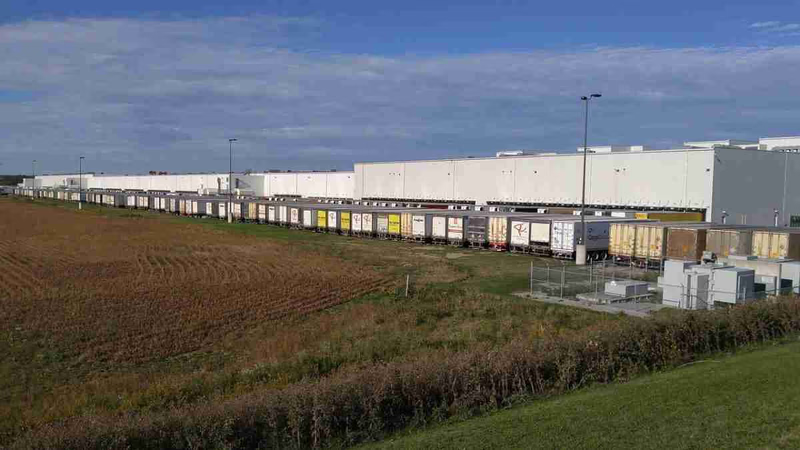
Industrial parks and warehouse districts typically house multiple businesses that accumulate pallets from shipping and receiving operations. Drive through these areas and look for pallet storage areas or contact facility managers directly. Many businesses prefer free pickup over waste disposal costs.
Manufacturing Facilities
Factories and production facilities often receive raw materials on pallets that become surplus after unloading. Metal fabrication shops, food processing plants, and textile manufacturers are particularly good sources. Always contact facility management and follow security protocols for pickup arrangements.
Construction Sites and Contractors
Large construction projects receive materials deliveries on pallets that contractors may allow for free pickup after unloading. Contact project foremen or general contractors to arrange pickup times that don’t interfere with work schedules. Commercial construction sites typically have better pallet availability than residential projects.
Safety and Legal Considerations
Proper pallet inspection and legal compliance are essential for safe pallet acquisition and use.
Pallet Inspection Before Use
Thorough inspection prevents injuries and identifies pallets unsuitable for intended applications.
Signs of Structural Damage to Look For
Inspect pallets for cracked or broken deck boards, loose nails, split support blocks, and missing or damaged stringers. Avoid pallets with protruding nails, splintered wood, or boards that flex excessively under light pressure. Test corner stability by gently rocking the pallet—excessive movement indicates structural weakness that could lead to collapse during use.
Chemical Contamination and Stain Identification
Reject pallets with oil stains, chemical discoloration, strong odors, or unknown residues that could indicate hazardous material contamination. Dark stains may represent petroleum products, industrial chemicals, or biological contamination. Pallets used for transporting pesticides, pharmaceuticals, or industrial chemicals should never be used for food-related projects or indoor furniture.
Mold, Rot, and Pest Infestation Warning Signs
Examine pallets for mold growth (fuzzy discoloration), wood rot (soft, crumbling sections), and pest damage including termite galleries, beetle holes, or ant infestations. Pallets stored outdoors for extended periods are particularly susceptible to these issues. Moldy pallets can trigger respiratory problems and should be avoided entirely.
Legal Restrictions and Property Rights
Understanding property rights and regulations prevents legal complications.
Branded Pallets: CHEP, PECO, and IFCO Regulations
Blue CHEP pallets, red PECO pallets, and plastic IFCO containers are rental property that must be returned to their respective companies. Taking these pallets without authorization constitutes theft and can result in criminal charges and civil penalties. These companies actively pursue legal action against unauthorized pallet retention, with penalties ranging from $50-100 per pallet plus legal fees.
State Laws on Pallet Theft and Prosecution
Most states classify pallet theft as petit theft or larceny, punishable by fines up to $1,000 and potential jail time for repeat offenses. Some jurisdictions have specific statutes addressing pallet theft due to industry lobbying efforts. Always verify ownership and obtain explicit permission before taking pallets from any location.
Getting Permission from Property Owners
Always obtain written or clearly documented verbal permission from property owners or authorized managers before removing pallets. Take photos or videos of permission conversations to protect against misunderstanding accusations. Respect time restrictions and quantity limits imposed by property owners.
OSHA Safety Requirements for Pallet Handling
Professional pallet handling requires adherence to federal safety standards.
Personal Protective Equipment (PPE) Requirements
Wear work gloves to prevent splinters and cuts, safety glasses to protect against flying debris during disassembly, and steel-toed boots when handling heavy pallets. Long pants and long-sleeved shirts provide additional protection against scratches and splinters. Hard hats are required in commercial settings or when pallets are stacked overhead.
Proper Lifting Techniques and Weight Limits
Use proper lifting techniques: bend knees, keep back straight, lift with leg muscles, and avoid twisting movements. Standard pallets weigh 30-60 pounds and should be lifted by two people when fully loaded. Never exceed individual lifting capacity limits, typically 50 pounds for untrained individuals and 75 pounds for those with proper training.
Safe Stacking and Storage Guidelines
Stack pallets no more than 6 feet high for stability, ensure level ground surfaces, and maintain clear access paths around storage areas. Secure stacks with strapping or blocking to prevent collapse. Store pallets in dry areas to prevent wood rot and maintain structural integrity.
Popular DIY Pallet Projects for 2025
Pallet projects continue trending as affordable ways to create functional furniture and decorative items.
Trending Furniture Ideas
Current pallet furniture trends emphasize functionality and rustic aesthetics suitable for both indoor and outdoor applications.
Coffee Tables and End Tables
Pallet coffee tables require 1-2 standard pallets, 4 caster wheels ($15-25), wood stain or paint ($8-12), and polyurethane finish ($10-15). Construction involves sanding all surfaces with 120-grit sandpaper, reinforcing joints with 2.5″ wood screws, and attaching wheels to bottom corners for mobility. Adding a glass top (cut to size for $30-50) creates a more finished appearance while protecting the wood surface. Total project time: 4-6 hours over 2 days (including drying time). End tables use half-pallets or modified sections, requiring additional vertical supports and measuring approximately 18″x18″x24″ finished size.
Outdoor Seating and Garden Benches
Pallet benches and outdoor seating require additional support modifications for safety and comfort. Add seat cushions, back supports, and weather-resistant finishes for durability. Garden benches benefit from integrated planter boxes or storage compartments underneath seating areas.
Shelving Units and Storage Solutions
Vertical pallet shelving units provide rustic storage for garages, workshops, and closets. Mount pallets directly to wall studs for stability, or create freestanding units with diagonal bracing. Add wire backing or solid boards to prevent items from falling through gaps.
Home Decor and Organization
Pallet decor projects offer affordable ways to achieve farmhouse and rustic design aesthetics.
Wall Art and Rustic Signs
Pallet wood provides excellent material for custom signs, family name displays, and inspirational quotes. Use stencils or vinyl lettering for professional-looking text, and apply distressing techniques for authentic rustic appearance. Popular projects include welcome signs, seasonal decorations, and personalized family displays.
Plant Stands and Garden Planters
Vertical pallet planters maximize growing space for herbs, flowers, and small vegetables. Line with landscape fabric to retain soil while allowing drainage. Tiered plant stands create attractive displays for houseplants and seasonal decorations.
Seasonal Decorations and Holiday Displays
Pallet wood adapts easily to seasonal decorating themes including Christmas trees, Halloween displays, and spring garden markers. Modular designs allow reconfiguration for different holidays throughout the year.
Farmhouse and Rustic Style Projects
Farmhouse decor continues as a dominant design trend featuring pallet wood prominently.
Porch Furniture and Outdoor Living Spaces
Pallet furniture suits covered porches and outdoor living areas perfectly. Swing seats, rocking chairs, and dining sets can be constructed using multiple pallets and basic carpentry skills. Weather-resistant finishes extend outdoor furniture lifespan significantly.
Kitchen Islands and Pantry Storage
Mobile kitchen islands built from pallets provide additional counter space and storage in smaller kitchens. Add butcher block tops, towel bars, and built-in storage compartments for functionality. Pantry shelving units organize dry goods and kitchen supplies efficiently.
Bedroom Headboards and Nightstands
Rustic pallet headboards create focal points in farmhouse-style bedrooms. Sand thoroughly and seal with multiple protective coats to prevent snagging bedding. Matching nightstands with drawer compartments complete coordinated bedroom sets.
Pallet-Related Equipment at Home Depot
Home Depot stocks various equipment for moving, storing, and working with pallets.
Pallet Jacks and Hand Trucks
Professional pallet handling equipment improves efficiency and reduces injury risk.
Manual Pallet Jack Models ($400-800)
Home Depot stocks Vestil, Blue Giant, and Prime Mover manual pallet jacks in their material handling section. Entry-level 5,500-lb capacity units like the Vestil PM5-2748 cost $425-475 and feature 27″x48″ forks suitable for standard pallets. Mid-range options include the Blue Giant BGS-55 ($550-650) with 5,500-lb capacity, polyurethane wheels, and quick-lift pump requiring only 3-4 pumps to lift standard loads. Heavy-duty 8,000-lb models like the Prime Mover PM-8000 ($675-795) include reinforced forks, sealed hydraulic systems, and ergonomic handles with comfort grips. All models include 1-year manufacturer warranties and are available for store pickup or delivery ($50-75 delivery fee).
Electric and Hydraulic Options
Electric pallet jacks range from $2,000-5,000 depending on battery capacity, lifting height, and weight limits. These units reduce operator fatigue and increase productivity in high-volume applications. Hydraulic models offer precise control for delicate load positioning.
Weight Capacity and Size Specifications
Standard pallet jacks accommodate pallets from 27″ to 55″ in width with lifting capacities from 4,000 to 8,000 pounds. Fork lengths typically range from 42″ to 48″ to match standard pallet dimensions. Consider load center and maximum lifting height when selecting appropriate equipment.
Pallet Racking and Storage Systems
Industrial storage systems maximize warehouse space utilization and organize pallet inventory.
Industrial Shelving Solutions
Selective pallet racking systems allow direct access to every stored pallet while maximizing vertical space utilization. Basic systems start around $200 per pallet position for standard 8-foot sections. Drive-in racking systems cost more but provide higher density storage for uniform products.
Warehouse Storage Equipment
Complete warehouse storage solutions include rack frames, beams, wire decking, and safety accessories like row spacers and column protectors. Professional installation ensures compliance with building codes and OSHA safety requirements.
Installation and Safety Requirements
Pallet racking installation requires structural engineering calculations to ensure proper weight distribution and seismic safety compliance. Professional installation typically costs $50-100 per hour plus equipment rental for specialized tools.
Tools for Pallet Disassembly
Proper tools make pallet disassembly safer and more efficient while preserving usable lumber.
Pry Bars and Crowbars
36-48 inch pry bars provide leverage necessary to separate pallet boards without excessive splitting. Flat bars work better for removing nails, while curved crowbars excel at board separation. Quality tools cost $25-60 and last for hundreds of pallets when properly maintained.
Reciprocating Saws and Blades
Reciprocating saws with demolition blades quickly cut through nails and fasteners without damaging lumber. Wood cutting blades with 6-10 teeth per inch work best for clean cuts through pallet wood. Cordless models provide portability for outdoor disassembly projects.
Safety Equipment and Protective Gear
Safety glasses prevent eye injuries from flying wood chips and metal fragments. Work gloves protect hands from splinters and sharp edges. Dust masks reduce inhalation of wood particles during cutting and sanding operations.
Environmental Impact and Sustainability
Pallet recycling and reuse contribute significantly to environmental sustainability efforts.
Home Depot's Pallet Recycling Initiatives
Home Depot partners with certified wood recycling facilities to process damaged and end-of-life pallets into useful products including mulch, biomass fuel, and composite lumber. These programs divert thousands of tons of wood waste from landfills annually while generating revenue from recyclable materials.
Wood Waste Reduction Programs
Home Depot’s pallet management system prioritizes repair over disposal, operating 47 pallet repair facilities across North America that refurbish approximately 2.8 million pallets annually. The repair process includes replacing damaged deck boards ($3-5 per pallet), reinforcing support structures, and re-sanding surfaces for continued use. Pallets undergo a three-tier assessment: Grade A pallets are returned to circulation, Grade B pallets are repaired for internal use, and Grade C pallets are sent to recycling facilities. This system extends average pallet lifespan from 3-5 uses to 8-12 uses, reducing new pallet purchases by an estimated 40% and saving approximately $28 million annually in replacement costs.
Sustainable Alternatives to Traditional Pallets
Plastic and composite pallets offer reusable alternatives to wood pallets in specific applications. While initial costs are higher, these alternatives provide longer service life and eliminate wood waste. However, wood pallets remain preferred for most applications due to cost-effectiveness and recyclability.
Current Market Trends and Pricing (2025)
Economic factors significantly influence pallet availability and pricing across the United States.
Lumber Price Fluctuations and Impact on Pallet Costs
As of 2025, lumber futures have stabilized at $450-520 per thousand board feet, down from pandemic peaks of $1,600+ but still 35% above pre-2020 levels. This translates to new pallet costs of $42-85 for standard 48″x40″ units, compared to $25-35 in 2019. Regional variations persist: West Coast locations see premium pricing ($60-95 per pallet) due to transportation costs from Southeastern lumber mills, while Texas and Georgia markets offer lower costs ($38-65 per pallet). Seasonal fluctuations of 10-15% occur during spring construction season (March-June) when lumber demand peaks. Home Depot locks in quarterly contracts with major pallet suppliers, providing some price stability compared to spot market purchases.
Supply Chain Effects on Pallet Availability
Global supply chain improvements have stabilized pallet availability compared to 2020-2022 shortages. However, transportation costs remain elevated, affecting delivery charges for purchased pallets. Just-in-time inventory practices by retailers continue limiting surplus pallet availability for free pickup.
Regional Price Variations Across the United States
Western states typically experience 15-25% higher pallet costs due to transportation distances and local lumber scarcity. Southeastern states benefit from proximity to lumber production facilities, resulting in 10-20% lower pricing. Urban areas generally have higher costs but better availability compared to rural regions.
Conclusion: Best Strategies for Obtaining Pallets
Successfully obtaining pallets requires understanding legal sources, safety considerations, and cost-benefit analysis.
Cost-Benefit Analysis: Free vs. Purchased Pallets
Free pallets require significant time investment for location, pickup, and inspection but can save $30-80 per pallet for DIY projects. Purchased pallets offer guaranteed quality, specific dimensions, and immediate availability but cost significantly more. Consider project requirements, time availability, and quality needs when choosing between free and purchased options.
Recommended Sources Based on Project Type
For furniture projects requiring high-quality wood, purchased pallets or carefully selected free pallets from clean sources provide best results. Garden projects and outdoor applications can utilize lower-grade free pallets that may have minor cosmetic flaws. Industrial applications requiring specific load capacities should use purchased pallets with verified specifications.
Final Safety and Legal Reminders
Always obtain proper permission before taking pallets from any location, thoroughly inspect pallets for structural and chemical safety, and never take branded rental pallets (CHEP, PECO, IFCO). Use appropriate personal protective equipment during handling and disassembly, and comply with local building codes when using pallets for construction projects. When in doubt about pallet safety or legality, choose purchased pallets from reputable suppliers to ensure compliance and safety.