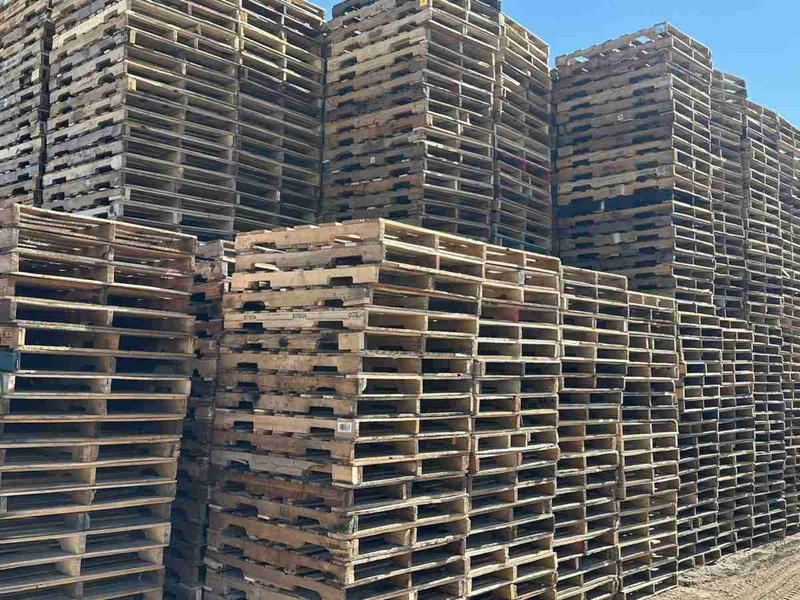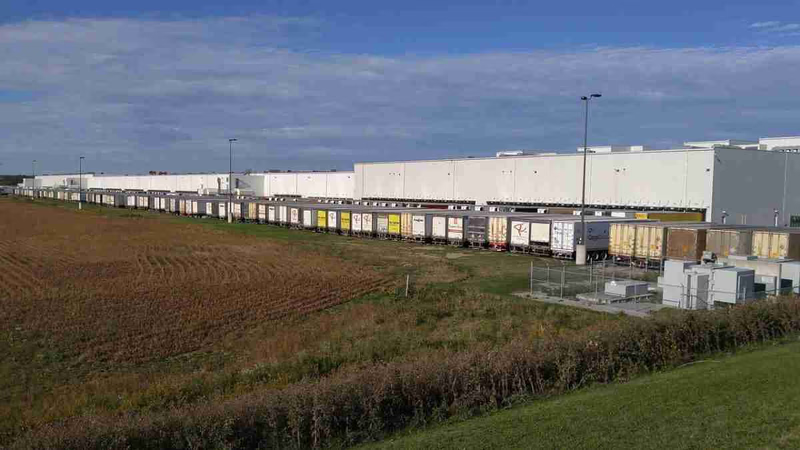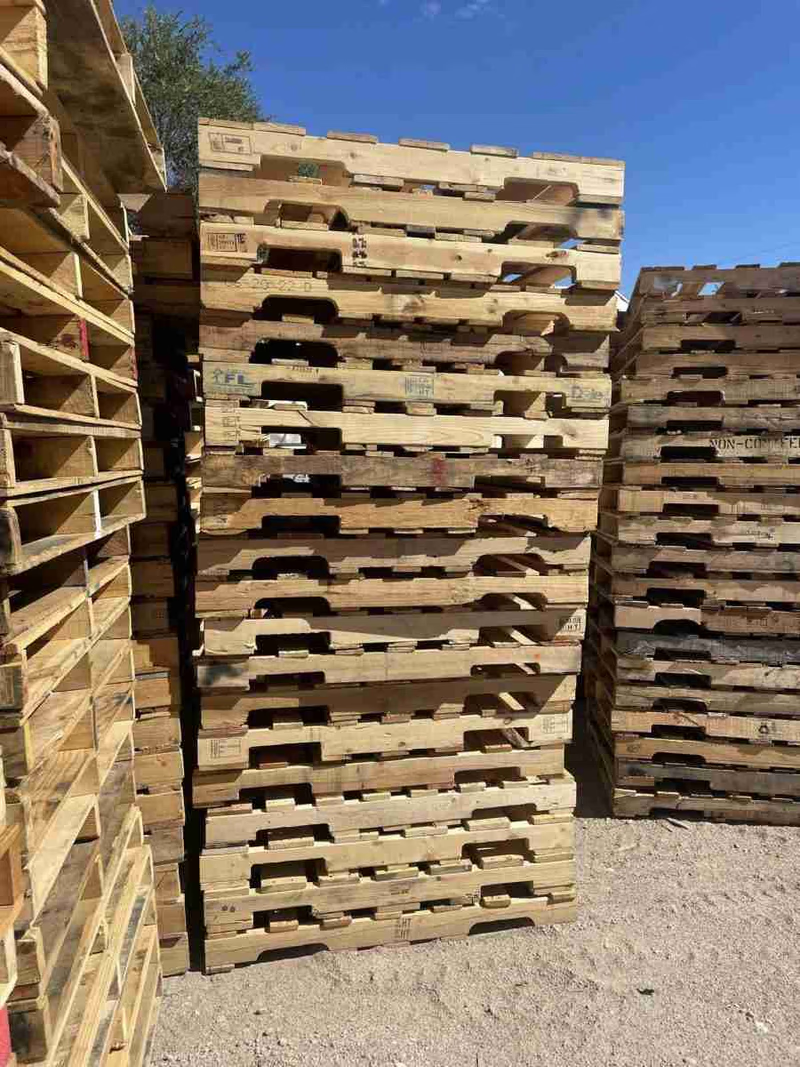
No, pallets are not available for free at major retailers like Walmart, Home Depot, or Target. While these stores receive thousands of shipments daily on wooden pallets, all major chains have corporate policies prohibiting free pallet distribution to customers. These pallets are considered company assets with established recycling contracts, making unauthorized removal equivalent to theft regardless of whether pallets appear abandoned outside stores.
Pallets have gained popularity among crafters, homesteaders, and entrepreneurs for multiple reasons. DIY enthusiasts use them for furniture projects, garden beds, and home organization solutions. Small business owners resell them to other companies or individuals. Additionally, pallets can be broken down for firewood or used in construction projects, making them valuable resources for those seeking sustainable, cost-effective materials.
Walmart’s Official Pallet Policy
Walmart’s corporate policy explicitly prohibits customers from taking pallets without written authorization from management. The company’s asset protection guidelines classify pallets as company property with monetary value, requiring them to be tracked through official disposal channels. Store associates are trained to deny pallet requests and redirect inquiries to corporate procurement. Even damaged or broken pallets remain company property until processed through Walmart’s waste management contractors. Signs are often posted in receiving areas stating “No Unauthorized Removal of Pallets” to reinforce this policy.
Legal Considerations
Yes, taking pallets without permission constitutes theft under state property laws, typically classified as misdemeanor theft if the value is under $500-1000 (varies by state). Since individual pallets are worth $8-15 and people usually take multiple pallets, combined value can reach felony theft thresholds ($500-2500 depending on jurisdiction). Police can issue citations for petit theft, and repeat offenses may result in criminal trespass charges. Store security footage provides evidence for prosecution, and Walmart’s loss prevention department actively pursues charges to deter future incidents.
Walmart retains ownership of pallets on their property until formally transferred through contracted agreements. Taking pallets also creates liability concerns – if someone is injured while removing pallets or if pallets cause damage during transport, the person taking them assumes full responsibility. Additionally, some pallets may contain harmful chemicals from shipping or may be structurally unsound.
Corporate Recycling Contracts
Walmart operates a sophisticated pallet management system through contracts with companies like CHEP, PECO, and regional recyclers. These partners collect pallets on scheduled routes, sort them by condition, and either refurbish damaged units or break down irreparable ones for lumber. Walmart receives payment based on pallet volume and condition grades. The recycling companies then redistribute refurbished pallets back into the supply chain or sell them to other businesses. This closed-loop system typically handles 95% of Walmart’s pallet inventory, with contracts specifying pickup schedules, quality standards, and revenue-sharing arrangements.
Individual pallet collectors rarely qualify for Walmart’s recycling partnerships, which require significant infrastructure, insurance coverage, and processing capabilities. These contracts typically go to established companies like CHEP, PECO, or regional pallet recyclers with the capacity to handle large volumes and meet corporate compliance requirements.
Common Misconceptions and Anecdotes
Customer Stories and Online Claims
Numerous blog posts and social media content claim that simply asking a Walmart manager will result in free pallets. While isolated instances may exist where individual managers allowed pallet removal, these stories don’t reflect corporate policy and can be misleading. Most managers are aware of corporate policies and liability concerns that prohibit giving pallets to customers.
Online forums reveal stark contrasts in experiences. Reddit users report instances where night shift managers allowed pallet collection in 2018-2020, but similar attempts in 2023-2024 resulted in security escort and trespassing warnings. Facebook DIY groups share stories of successful morning pickups from smaller Walmart locations, while others describe being stopped by asset protection within minutes of loading pallets. YouTube creators who previously featured “free Walmart pallet hauls” have posted updates explaining they can no longer film such content due to policy enforcement. The consensus among recent posts is that success rates have dropped significantly, with most attempts now resulting in denial or formal warnings.
Risks of Taking Unpermitted Pallets
Consequences escalate based on circumstances and repeat offenses. First-time offenders typically receive verbal warnings and requests to leave the property immediately. Security may document the incident with photos and vehicle information for future reference. Second attempts often result in formal trespassing notices, barring individuals from all store property for 1-2 years. If pallets are already loaded, store management may call police, resulting in theft citations ranging from $200-500 fines plus court costs. Felony charges apply when pallet values exceed state thresholds, potentially resulting in jail time, probation, and permanent criminal records affecting employment and housing.
Beyond legal issues, taking pallets raises safety concerns including potential injury from unstable stacks, chemical exposure from shipping treatments, and traffic hazards in loading areas. Ethically, taking pallets without permission deprives businesses of potential revenue from recycling contracts and creates unfair advantages for those willing to ignore property rights.
Alternative Sources for Free or Cheap Pallets
Other Retailers and Local Businesses
Independent grocery stores, family-owned restaurants, and local beverage distributors are excellent sources for free pallets. Approach small businesses receiving regular shipments like auto parts stores, feed stores, and appliance retailers. Visit during morning delivery times (7-10 AM) when staff are available to grant permission. Furniture stores often have high-quality hardwood pallets from overseas shipments. Farm supply stores and pet food retailers frequently allow pallet collection since they lack recycling contracts. Always ask to speak with managers or owners, explain your project, and offer to sign liability waivers. Building relationships leads to regular pallet availability from businesses happy to avoid disposal costs.
Manufacturing plants, automotive suppliers, and food processing facilities often have surplus pallets available. These businesses typically require advance permission and may have specific pickup requirements, but they’re often more accommodating than retail chains. Building relationships with shipping and receiving departments can lead to regular pallet availability.
Dedicated Pallet Recycling and Resale Outlets
Professional pallet recyclers offer competitive pricing: Grade A pallets (excellent condition) cost $8-15 each, Grade B (good condition) run $5-10, and Grade C (fair condition) sell for $3-7. Companies like American Pallet Liquidators, National Wooden Pallet, and regional brokers maintain consistent inventory. Bulk purchases (25+ pallets) often qualify for 15-25% discounts. Heat-treated (HT) pallets command premium prices ($12-20) due to international shipping compliance. Some recyclers offer delivery for orders over $200, while others require pickup from warehouse locations. Prices vary by region, wood type (hardwood vs. softwood), and seasonal demand from agricultural and retail sectors.
Search using terms like “wood pallets,” “shipping pallets,” “pallet lot,” and “pallet pickup.” Check listings daily since popular posts disappear quickly. Filter by distance (within 25-50 miles) and sort by newest first. Look for businesses posting regular surplus rather than one-time sellers. Verify pallet condition through detailed photos and ask about heat treatment stamps for quality assurance. Negotiate bulk pricing for quantities over 10 pallets. Join local Facebook groups like “[City] Free and For Sale” and “[Region] Pallet Exchange” where businesses and individuals regularly post availability. Set up saved searches with notifications to catch new listings immediately.
Best Practices for Asking Permission
Visit during slower periods (mid-morning or early afternoon) and ask customer service to speak with the manager or receiving supervisor. Introduce yourself professionally: “Hi, I’m [name] and I’m working on a DIY project. Do you have any damaged pallets I could have permission to take?” Be specific about your project (garden beds, furniture, etc.) to demonstrate legitimate use. Offer to provide identification and sign liability waivers if requested. Ask about preferred pickup times to avoid disrupting deliveries. If denied, thank them politely and ask if they know other local businesses that might help. Some managers may allow collection of broken pallets while prohibiting intact ones, so clarify what’s available.
Always inspect pallets for structural integrity, chemical stains, or hazardous materials before transport. Bring appropriate equipment including gloves, straps, and proper vehicles for safe transport. Avoid removing pallets from active loading areas and be aware of forklift traffic and other warehouse operations.
Conclusion and Recommendations
Walmart pallets are not freely available to the public due to corporate policies, existing recycling contracts, and legal ownership issues. The company maintains strict control over pallet disposal and considers unauthorized removal as theft, regardless of pallet location on their property.
Legitimate alternatives include purchasing from pallet recyclers, connecting with smaller local businesses, exploring online marketplaces, and building relationships with manufacturing facilities. These sources often provide better quality pallets with clear legal ownership and may offer competitive pricing for bulk purchases.
Focus on building relationships with local businesses, be respectful of property rights, and consider the long-term value of legitimate sources over risky shortcuts. Investing in legal pallet acquisition protects against legal consequences while supporting businesses and ethical practices. Remember that the small cost of purchasing pallets legally is often worth the peace of mind and consistent supply it provides.