The landscape of North American trade has shifted dramatically with the recent announcement of 25% tariffs on goods from Canada and Mexico. This development carries significant implications for various industries, and the pallet market is no exception. This analysis examines the potential consequences of these tariffs on pallet prices in 2025 and outlines strategies for businesses to navigate this evolving trade environment.
The Impact of Tariffs: A Direct Hit on Pallet Costs
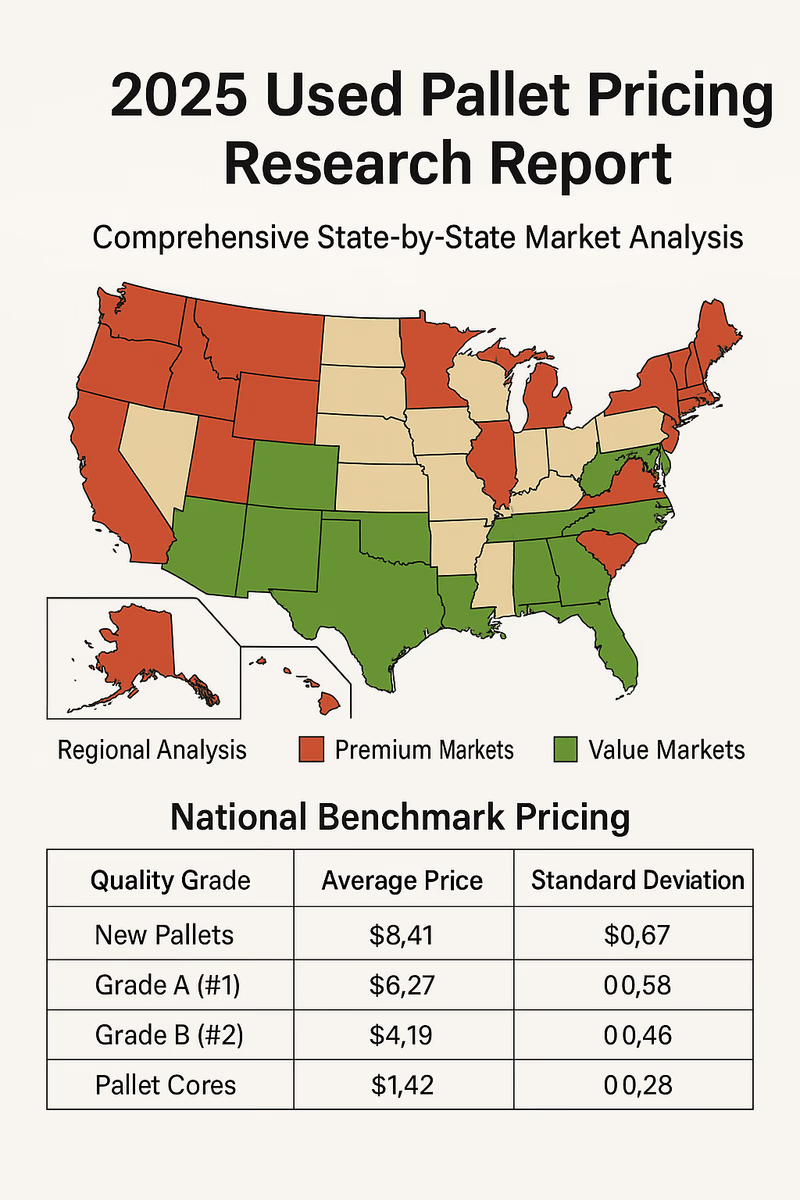
The imposition of 25% tariffs creates a direct and substantial risk of increased pallet prices. These tariffs, depending on the specific goods covered, can affect the cost of key pallet components:
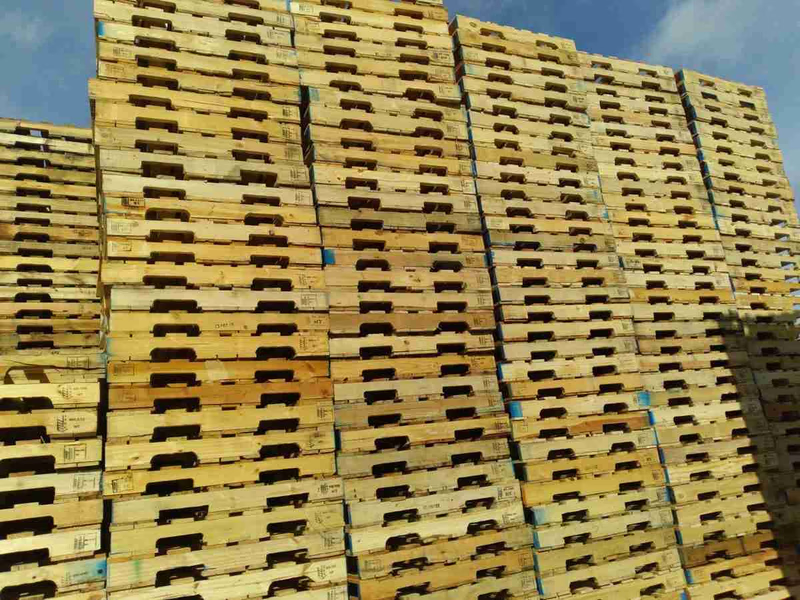
- Lumber: A significant portion of wooden pallets relies on Canadian softwood lumber. Tariffs on this lumber will directly inflate the cost of producing wooden pallets in the U.S.
- Other Materials: Tariffs could also impact other materials used in pallet manufacturing, such as steel for metal pallets or plastics for plastic pallets, if these are sourced from Canada or Mexico.
- Finished Pallets: Tariffs applied directly to imported finished pallets from Canada or Mexico will make those pallets more expensive for U.S. businesses.
More Than Just Direct Costs: The Ripple Effect
Beyond the direct cost increases, the tariffs can trigger a cascade of other challenges:
- Supply Chain Disruptions: Businesses reliant on Canadian or Mexican pallet suppliers will need to find alternative sources, potentially leading to delays, logistical complexities, and inconsistent quality during the transition.
- Potential for Retaliation: Canada and Mexico are likely to retaliate with their own tariffs on U.S. goods, further escalating trade tensions and potentially impacting other areas of the supply chain.
- Increased Demand for Domestic Lumber: The tariffs could create a surge in demand for U.S.-sourced lumber, potentially driving up domestic prices even for businesses not directly importing from Canada.
Navigating the New Reality: Strategies for Businesses
With these tariffs now in place, proactive measures are critical:
Immediate Supplier Re-evaluation
Businesses must immediately assess their reliance on Canadian and Mexican pallet suppliers. Exploring domestic and international alternatives is crucial to diversify sourcing and mitigate risk.
Accelerated Contract Negotiations
Securing long-term contracts with existing suppliers, both domestic and international, is essential to lock in prices before they escalate further.
Alternative Material Assessment
A thorough evaluation of alternative pallet materials, such as plastic or metal, is necessary. This includes analyzing the cost-effectiveness and suitability of these alternatives for specific applications.
Pallet Management Optimization
Implementing strategies to extend the lifespan of existing pallets, such as improved repair and maintenance programs, can reduce the need for new purchases and mitigate cost pressures.
Tariff Classification Clarity
Businesses must obtain precise information on the tariff classifications of the specific materials and pallets they use. This will help determine the exact impact of the tariffs and identify any potential exemptions or exclusions.
Proactive Advocacy
Engaging with industry associations and policymakers to advocate for solutions that minimize the negative impact of tariffs on businesses is crucial.
The 2025 Outlook: Adaptability is Key
The 25% tariffs on Canada and Mexico represent a significant shift in the North American trade landscape. While the precise impact on pallet prices in 2025 will depend on various factors, including the scope of the tariffs and any retaliatory measures, businesses must prepare for potential price increases and supply chain disruptions.
Adaptability, proactive planning, and a willingness to explore alternative solutions will be essential for navigating this challenging environment and ensuring the continued flow of goods. Staying informed about evolving trade policies and their implications will be paramount for success in the years to come.